A Designer's Take on Zentangle-Pattern Mandala Vol. 12
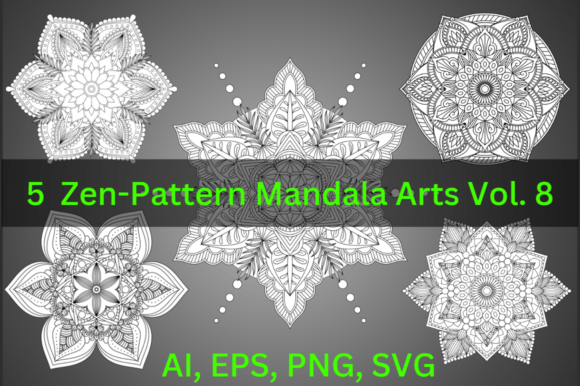
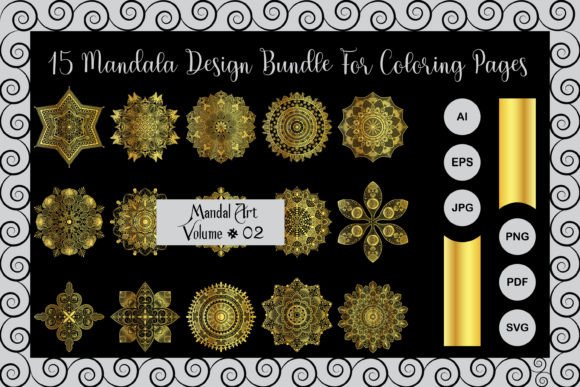
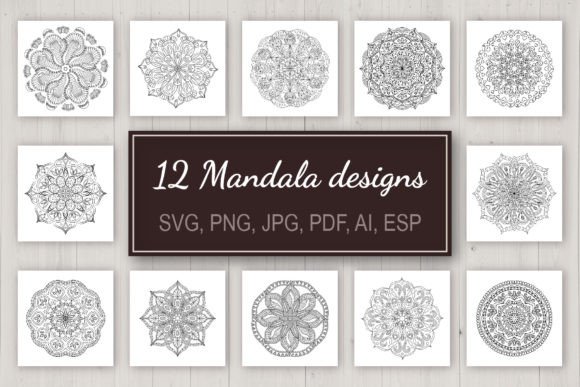
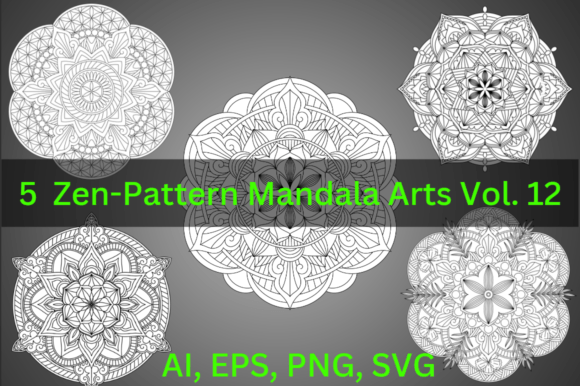
Let’s talk about Zentangle-Pattern Mandala Vol. 12 not as a graphic, but as a future embroidery project. When I look at this collection of 6-point mandalas, I’m already imagining thread and fabric. The category listing says “Coloring Pages Amp Graphics,” but my mind immediately translates that to stitch paths, thread choices, and which fabric it would sing on. This is about seeing the potential in the lines before we even load the embroidery file.
The Immediate Mood: Balanced and Intentional
The first impression is one of organized calm. A 6-point mandala structure brings a natural symmetry that feels balanced and intentional, not chaotic. This is a huge plus for embroidery, especially for items meant as gifts or mindful merchandise. The patterns have a visual personality that’s detailed but not overwhelmingly dense—it suggests intricacy without promising a stitching marathon. That balance is key. It creates a mood of focused creativity, which is exactly what you want a custom embroidered item to convey.
Where This Design Belongs in Real Projects
Imagine you’re preparing a custom embroidered linen pillow cover for a boutique. Or a tote bag for a client who values handmade presentation. Zentangle-Pattern Mandala Vol. 12 fits naturally here. The design’s structure lends itself to being a central, featured element. It wouldn’t feel out of place as a large statement on the back of a sweatshirt or as a more subtle, smaller motif on a baby blanket’s corner. Because of its balanced detail, it straddles that line between being a bold focal point and a tasteful accent.
Think about holiday gifts like embroidered tea towels or personalized aprons. A mandala’s universal appeal makes it a safe yet special choice. For small shop merchandise—say, a series of embroidered patches or caps for a craft fair—this design collection offers a cohesive look without being identical. Each mandala can feel part of a branded set, which builds customer trust and brand consistency.
A Practical Scenario: The Boutique Tote Bag
Let’s walk through a real case. I’m considering this design for a canvas tote bag line for my Etsy shop. The first thing I do is picture the finished stitch. The 6-point symmetry means the design will look “correct” and professional from any angle, which matters for a product photo. The level of detail suggests I’ll need good contrast between thread and fabric color to maintain stitching clarity. A dark navy thread on a natural canvas? Perfect. But I’d avoid very textured fabric here, as the finer lines might get lost.
How would customers react? I think they’d see value. It doesn’t look like a generic, quickly stamped design. It has the handmade presentation of something thoughtful, which increases giftability and buyer engagement. For a digital product seller, using this in a printable mockup for an embroidered sweatshirt would show potential buyers a clear, attractive vision of the finished product.
Performance on Fabric: Where to Use and Where to Be Careful
For most custom apparel like t-shirts or sweatshirts, this design should perform well, provided you use the right stabilizer for the fabric weight. The symmetry helps it sit nicely on curved surfaces like caps, though you’d want to test the size—too large on a curved crown might distort some outer details.
Be careful with very small hoop sizes. If you’re thinking of a tiny version for a delicate baby clothes item, inspect the small details first. Some intricate corners might become a series of tiny, dense stitch areas that could pucker on thin fabric. Always test on scrap fabric first. Similarly, on stretchy fabric or layered garments, stitch density needs to be appropriate to avoid tension issues. For products that need frequent washing, like kitchen towels, consider how the fill stitch areas will hold up over time.
Dark fabric backgrounds are a classic choice for mandalas, but they require you to check thread color contrast meticulously. A mockup in black and white can help visualize the final contrast before you commit thread. For commercial embroidery projects where time is money, the design’s clear structure likely means a smoother digitizing process, but you must always confirm the licensing terms before selling finished items.
How This Design Affects Your Craft Business
Using a design like Zentangle-Pattern Mandala Vol. 12 isn’ just about stitching; it’s about perception. It elevates the visual appeal of your finished product, making it look less like a hobby output and more like a professional design asset. That recognition matters. For an apparel decorator or a handmade shop owner, this contributes to an overall line that looks consistent and intentional.
For personalized gifts, such as an embroidered pillow cover for a wedding gift, the design’s zen-pattern aesthetic adds a layer of meaning—it feels crafted with purpose. This boosts the item’s value in the eyes of the recipient. For your small business merchandise, it helps you build a collection. You could envision a whole series: tote bags, patches, and aprons all featuring variations from this 6-point collection, creating a strong, recognizable brand identity.
Essential Embroidery Designer Notes
Before you run this machine embroidery design, here’s my practical checklist. Always, always test on scrap fabric of the same type as your final project. Review the stitch density in your software—does it look appropriate for your fabric? Confirm your hoop size can accommodate the design at the scale you want, without cramming details. Inspect the smallest lines; will they translate cleanly to satin stitch or running stitch?
Compare how it looks in a light and dark fabric mockup. Use proper stabilizer; a mandala with fill stitch areas needs good support. Crucially, check whether the design file works for both personal and commercial projects according to its license. The product description mentions uses like logos and posters, but for embroidery, you need to confirm the specifics for selling the stitched item. Never assume.
Finally, think about thread colors. This design, with its patterned layers, can shine with a monochromatic scheme or pop with a careful color transition. Your choice here directly affects the final product’s professionalism and handmade charm.
The Final Stitch: A Design Worth Considering
Zentangle-Pattern Mandala Vol. 12, from the lens of an embroidery designer, is more than a graphic. It’s a blueprint for creating items with balanced detail and mindful appeal. It fits into real-life embroidery situations—from a custom tote bag to a boutique pillow—with a personality that enhances product value. Approach it with practical steps: test, check contrast, review density, and confirm licensing. When used thoughtfully on the right fabric, it can become a standout element in your craft business, a beloved personalized gift, or a commercial embroidery project that reflects both skill and intentional design. The potential is in the pattern; the real art is in how you stitch it.