From Zentangle to Stitches: Reviewing an Elephant Mandala Design
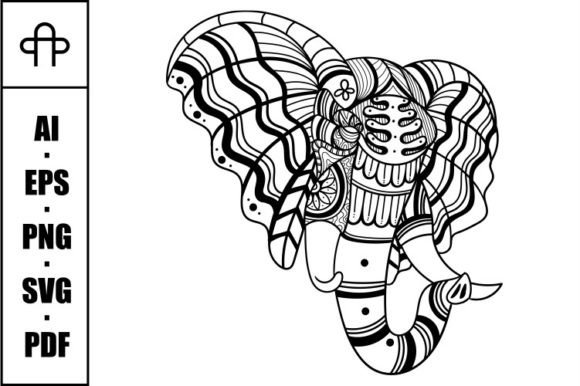
When I download a new embroidery design, I'm not just looking at a graphic on a screen. I'm visualizing thread, fabric, and the final piece in a client's hands or on a shop shelf. The Elephant Head Side Position Mandala is one of those files that immediately sparks a flurry of project ideas. It has a certain presence—a dignified, calm, and intricately detailed aura that feels both modern and timeless. This isn't a whimsical cartoon; it's a serious, artful design with a strong visual personality.
The Immediate Impression: Where This Design Belongs
First, let's talk about mood. The side-view profile of the elephant, framed by the circular mandala structure, creates a sense of focused tranquility. It's a grounding image. This makes the Elephant Head Side Position Mandala a fantastic candidate for gifts and products meant to convey thoughtfulness or personal connection. I immediately pictured it on a cozy, high-quality sweatshirt or as a central feature on a canvas tote bag—items people use daily that carry a bit of that serene, artistic vibe.
The level of detail in the zentangle-style patterns is its standout feature. On screen, it's beautiful, but for embroidery, this detail translates into a wonderful opportunity for texture and depth. The varying line weights and enclosed patterns within the mandala mean that, with careful thread color choice, you can create incredible visual interest through stitch definition. It naturally leans towards being a statement piece rather than a tiny accent.
Real-Life Embroidery Scenarios: A Design That Carries Weight
Let's walk through a real case. Imagine you're preparing a custom embroidered tote bag for a boutique. You want something that looks professional, artistic, and adds perceived value to the product. The Elephant Head Side Position Mandala fits this perfectly. Its substantial and balanced shape would sit beautifully centered on a bag panel. Stitched out, the intricate lines would give the bag a handmade, artisan quality that buyers seek. The same applies to pillow covers or tea towels for a home goods line—it elevates a simple item into a decorative object.
For apparel, like a premium t-shirt or sweatshirt, the design's side position and circular border make it exceptionally versatile for placement. It could work wonderfully over the left chest or as a larger back design. For baby items or nursery decor, stylized animal motifs are always popular, but the sophistication of this mandala version would appeal to parents looking for something beyond typical cute prints. As an embroidered patch, it would be a stunning, standalone piece that could be applied to jackets or bags.
Thinking Through Commercial Use and Customer Appeal
From a small business perspective, using a design like this can significantly boost the visual appeal of your product line. It looks intentional and designed, which builds customer trust in your craftsmanship. For an Etsy seller or craft fair vendor, a well-embroidered sweatshirt featuring this mandala becomes a flagship item that draws attention. Its "giftability" is high—it feels special and personal without being overly niche. For branding, if your shop's theme leans towards artistry, mindfulness, or nature, this design could serve as a consistent asset across different products.
Practical Considerations: Where to Exercise Caution
Now, for the practical designer notes. The intricate detail is a double-edged sword. On very small hoop sizes, some of the finer zentangle patterns might lose clarity and become muddy if the stitch density is too high. Testing on scrap fabric is absolutely essential. You need to see how those close, detailed lines translate into running stitches or small fill areas.
I would be cautious using this design on highly textured fabrics (like certain tweeds) or very stretchy materials without excellent stabilizer, as the precise lines could distort. Similarly, on dark fabrics, the choice of thread color contrast is paramount—a single light thread color might not capture all the internal detail variation effectively. Consider testing it in digital black and white mockups first to assess contrast.
On curved surfaces like caps, the large circular format might present a challenge, requiring careful placement and hooping. The design's strength is its detail, so using it on products that will undergo frequent, harsh washing (like some kitchen towels) might risk wear on the finer stitches over time.
Essential Pre-Stitch Checklist for the Embroidery Artist
Before you commit this to a final project, here’s my recommended checklist:
- Test, test, test. Run the embroidery file on your chosen scrap fabric with your intended stabilizer.
- Play with thread color schemes. A monochrome look? Or using two shades of one color to highlight the internal patterns?
- Review the stitch density in your software if possible. Are dense areas manageable for your machine and fabric?
- Confirm your physical hoop size can accommodate the design at the size you want. It likely needs a medium to large hoop.
- Inspect the small details in your test stitch. Are any lines too fine or closed shapes too small to stitch cleanly?
- Compare how it looks conceptually on both light and dark background mockups.
- Most critically, check the provided file formats and any licensing terms. The product description notes it includes AI, EPS, PNG, SVG, and PDF files. Ensure the format you need for your embroidery software is available and confirm the license allows for your intended use, whether personal gifts or commercial sale of finished products.
The Final Verdict: A Design with Substantial Project Potential
The Elephant Head Side Position Mandala is a design asset with considerable potential. It brings an artistic weight and mood that can transform a simple embroidered item into a standout piece. For embroidery designers and makers, it offers a rewarding challenge—translating that intricate illustration into a tactile, thread-based reality. Its suitability for custom apparel, home goods, and boutique merchandise is clear, provided you approach it with the practical precautions any detailed design deserves. In the right project, stitched with care, it will not only look beautiful but also add real value to your handmade presentation and resonate deeply with the end customer or gift recipient.