A Designer’s Practical Review of a 35-Page Animals Coloring Book
The First Impression: More Than Just Clipart
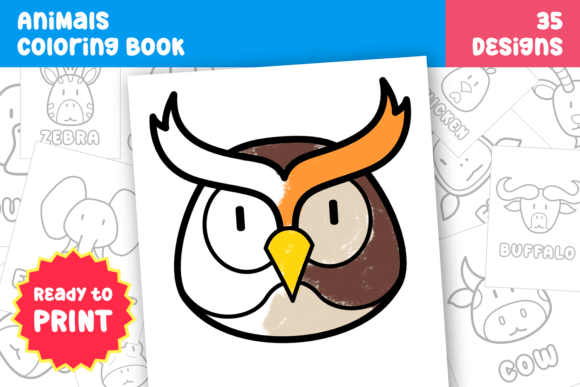
Opening the Animals Coloring Book asset, my first thought isn't about children’s activities, but about its potential as a versatile graphic design asset. This collection of 35 digital, ready-to-print pages presents a curated set of cute animal illustrations. The mood is immediately warm, playful, and approachable—it leans into a contemporary, handmade aesthetic without feeling childish. For a designer evaluating this for a client project, the style clearly fits boutique brands, eco-friendly product lines, local event marketing, or any small business branding that wants to convey friendliness and craft.
Where This Asset Excels in Real Client Work
Let’s frame this around a real scenario: I’m developing a visual identity for a new handmade soap company. They want packaging, social media graphics, and printable tags that feel organic and charming. Here, the Animals Coloring Book becomes a foundational toolkit.
Supporting a Cohesive Brand Identity
These illustrations aren't just standalone clipart; they can be edited and adapted. The provided EPS and SVG files mean I can tweak colors, combine elements, or extract single animals for a logo design or brand mascot. For product labels and packaging design, a simplified fox or rabbit from this set, used as a decorative accent, instantly elevates a plain label into something with personality.
Building Campaign Visuals Across Media
The consistency of style across 35 pages is a huge advantage. I can pull different animals for a seasonal campaign—a deer for winter, a bee for summer—ensuring brand consistency across Instagram posts, Pinterest pins, and digital ads. For printable designs like event invitations or workshop flyers, the high-resolution PDF and A4/A3 formats mean I can output crisp materials without additional illustration work.
Expanding into Product & Merchandise
For clients exploring physical goods, this asset’s versatility shines. As SVG designs, the animals are perfect for Cricut projects, enabling custom sticker design, t-shirt design, or tote bag artwork. For print-on-demand sellers or Etsy shops, these can become the core of a sublimation design for mugs or integrated into product mockups for wall art. The emotional appeal of cute animals drives audience engagement, making products feel more personal and inviting.
Strategic Placement: Where to Use It Best
In practical layout terms, these illustrations perform strongest in specific roles.
- Large Layout Areas & Hero Graphics: A detailed owl or bear illustration can be a beautiful, engaging focal point on a website banner or poster.
- Decorative Accents & Packaging Details: Smaller, simpler animals work excellently as repeated patterns on packaging edges or as icons on a product care card.
- Themed Collections & Campaign Visuals: Using multiple animals together creates a narrative feel, ideal for a story-driven blog post or a series of social media graphics.
- Printable Designs & Canva Templates: The ready-to-print nature means I can quickly assemble kid’s activity sheets for a family-focused client or integrate PNGs into a Canva template for client reuse.
Careful Application: Where It Requires Attention
While versatile, this Animals Coloring Book is not a universal solution. Professional judgment is needed.
- Small Sizes & Crowded Layouts: Some illustrations have fine details that vanish at small scales, harming visual hierarchy. They should be used sparingly in dense compositions.
- Complex Backgrounds: The cute, often outlined style demands clean backgrounds for clarity. Placing them over busy textures reduces impact.
- Minimalist or Corporate Branding: This asset’s handmade mood clashes with stark, professional corporate materials. It’s unsuitable for a tech startup’s annual report.
- Low-Contrast Designs: If adapting colors, one must check contrast for readability, especially if overlaying text.
The Designer’s Checklist Before Client Use
Before committing this asset to a paid project, I run through a few essential tests. These steps ensure the final design feels polished and trustworthy.
Testing Technical Performance
- Preview at Scale: I place key illustrations both at large poster size and tiny icon size to see which elements hold up.
- Check File Formats: I inspect the SVG for clean, editable paths and confirm PNG transparency for layering over photos.
- Test Print Quality: A proof print from the PDF at A4 confirms line crispness and color integrity (even if used in black and white).
- Contrast on Light & Dark Backgrounds: I place a chosen animal on both white and dark mockups to ensure it remains clear and legible.
Evaluating Visual Harmony
- Pair with Typography: I test the illustrations alongside a serif font for a classic feel, a sans serif for modern clarity, and a script font to see if the playful mood harmonizes or clashes.
- Place on Real Mockups: I drop a PNG onto a t-shirt mockup, a mug template, and a website header to evaluate real-world application.
- Assess Commercial Licensing: I verify the license allows use for client commercial design and marketing visuals—a non-negotiable step for professional work.
Final Judgment: A Polished Asset for Specific Moods
The Animals Coloring Book is, from a working designer’s perspective, a robust digital product. Its value isn’t in the 35 pages alone, but in the cohesive, adaptable style it provides for projects demanding warmth and approachability. When used strategically—as supporting brand elements, decorative accents, or the core of a printable product line—it improves the visual mood and helps a final design feel more cohesive and polished. For designers serving handmade businesses, creative marketplaces, or brands targeting an audience valuing craft and charm, this asset can be a significant time-saver and a source of consistent, engaging creative design. It reminds us that even assets labeled as “coloring pages” can, with professional insight, become integral parts of compelling commercial design.