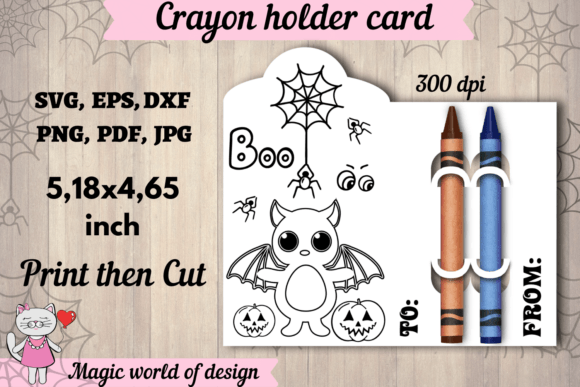
A Halloween Bat Coloring Card for Creative Brand Graphics
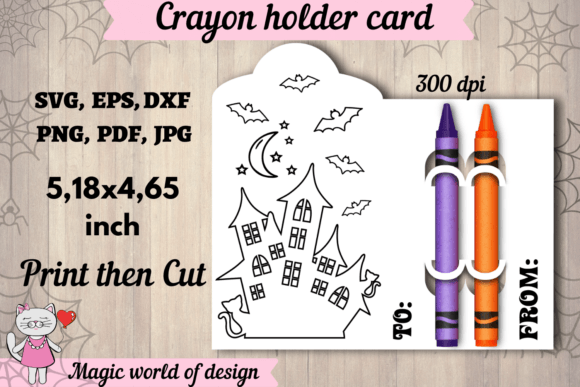
When a local artisan bakery approached me for their seasonal pumpkin spice cookie launch, I immediately began searching for graphic design assets that could evoke a playful, family-friendly Halloween spirit without leaning into overly generic spooky tropes. The Halloween Bat Coloring Card, Crayon Hold was one of the first assets I evaluated. My first impression was its inherent craftiness. This isn’t a slick, corporate illustration; it suggests a handmade, interactive warmth. The bat shape doubling as a crayon holder creates a delightful dual-purpose narrative—it’s not just decoration, it’s an activity. For a small business, especially one targeting families, children’s products, or handmade goods, this asset whispers fun and engagement. It feels playful, festive, and wonderfully approachable.
Crafting a Seasonal Brand Personality with a Single Asset
For the bakery project, we weren’t just designing a cookie label; we were building a micro-seasonal brand identity. The Halloween Bat Coloring Card offered a central visual motif that could define that personality. Its open, line-art style is inherently versatile. It can be colored to match any brand palette—for a rustic home decor shop, perhaps muted oranges and browns; for a feminine boutique, soft purples and golds. This adaptability is crucial for small business branding. The asset suggests a brand that is creative, community-focused, and values a touch of personalization. It leans away from premium elegance toward friendly, decorative charm, making it ideal for local businesses that want to feel connected and authentic.
From Digital Asset to Physical Brand Touchpoints
In practical application for a local business, this graphic design asset transcends being just a coloring page. For the bakery, we used the bat’s silhouette as a hero graphic on their limited-edition cookie packaging. The 5.18 x 4.65 dimensions are perfectly suited for a front-facing label on a small bag or box. We also leveraged the SVG file to create a series of cohesive physical brand elements: die-cut hang tags attached to the bags, a thank-you card insert colored with the bakery’s signature orange, and window posters for the storefront. For a florist offering Halloween bouquets, it could become a decorative sticker sealing a kraft paper wrap. A candle brand could use a colored version as the central illustration on a seasonal scent’s product label. The key is seeing it as a foundational shape for packaging design, not just a standalone printable.
Strengthening Shelf Appeal and Customer Connection
Professional packaging isn’t about complexity; it’s about clarity and emotion. Using a distinctive asset like this Halloween Bat Coloring Card creates immediate visual hierarchy on a product. On a crowded shelf of Halloween treats, a bag featuring this recognizable, friendly bat stands out. It improves product recognition and builds a stronger first impression. For the customer, it fosters a stronger emotional connection—it invites interaction, suggesting the business cares about the experience beyond the transaction. This translates directly into improved customer trust and a more polished brand presentation, crucial for handmade sellers and small product businesses competing in a visual marketplace.
The Ideal Real-World Applications for Local Businesses
This asset works exceptionally well as a decorative brand element for specific, tactile applications. Think of it as an accent rather than a logo. Its best uses are product labels for seasonal items, packaging accents like stickers or stamp designs, and promotional banners for social media campaigns announcing a Halloween launch. It’s perfect for creating product mockups to preview a new line. For a children’s product brand, it could be the centerpiece of a coloring activity sheet included with orders, enhancing the unboxing experience. For a coffee shop’s seasonal menu board, a colored version could iconify a “Bat Brew” latte. Its strength lies in seasonal packaging and boutique visuals where a touch of whimsy is welcome.
Navigating Design Limitations for Professional Results
However, as a brand designer, I must note where this asset should be applied carefully. Its decorative, detailed nature means it should not be used in very small labels where the lines become indistinct. Avoid placing it on crowded product packaging alongside extensive text, like ingredient lists or legal information, as the decoration will compete for attention. It is not suited for luxury minimalist brands seeking a sleek, silent aesthetic. Similarly, on low-contrast backgrounds, the fine lines may lose impact. It should not serve as formal corporate branding; its role is supplemental to a core brand identity, adding seasonal or thematic flair.
Practical Notes for the Commercial Designer
Before committing this asset to client work or your own business branding, conduct rigorous tests. Always check the commercial license to ensure it covers physical product sales. Print a test on the actual material you plan to use—a kraft paper bag or a glossy label—to review print quality. Preview the SVG file at the size of your smallest label to ensure line integrity. Test it on both black-and-white and color mockups to ensure versatility. Crucially, test the graphic beside your brand’s typography. How does it interact with a clean sans-serif font for product names? Does it clash with a script font? This ensures cohesive visual hierarchy. Finally, compare your packaging mockup using this asset against competitor products. Does it elevate your presentation? Does it feel uniquely “you”? That’s the ultimate goal of any graphic design asset: to translate a digital product into a real-world brand story that resonates.
For the artisan bakery, the Halloween Bat Coloring Card, Crayon Hold became more than a graphic; it became the visual heartbeat of their Halloween campaign. It appeared on their social media graphics, website banners for the seasonal product page, and even as a printable insert in local community event flyers. It supported a consistent brand identity across every touchpoint. For any small business owner, marketer, or packaging designer looking to inject authentic, playful festivity into their seasonal offerings, this asset is a tool for transformation—from a simple product to a memorable brand experience.