Complicated Mandala: An Embroidery Designer's Honest Review
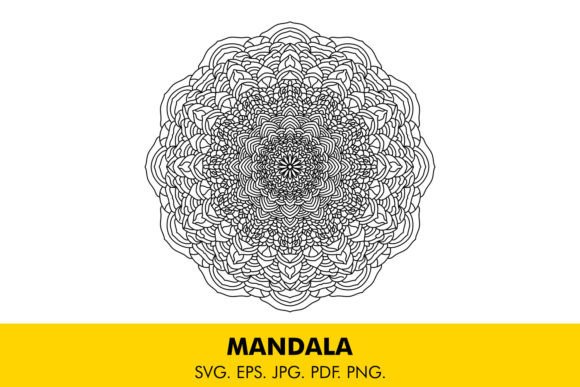
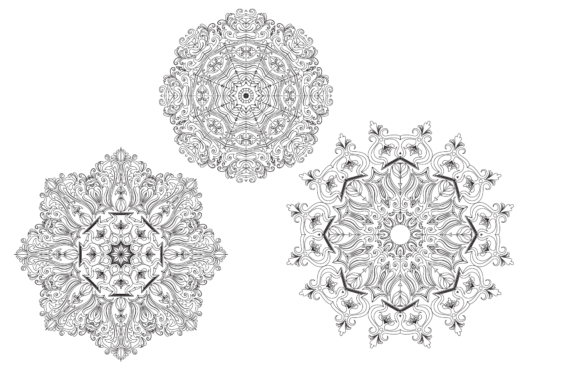
When I first opened the Complicated Mandala embroidery file, my immediate thought wasn't about its beauty—that was obvious—but about its potential. As a designer who translates digital files into tangible, stitched products for clients and my own shop, my job is to look past the screen and visualize how a design will live on fabric. This mandala, with its intricate layers and symmetrical precision, presents a fascinating challenge and a significant opportunity.
The Immediate Mood and Visual Personality
The design creates a mood of serene complexity. It’s balanced yet detailed, offering a sense of calm focus that I find perfect for personalized gifts and boutique-level products. The layout is classic, with radiating patterns that draw the eye inward. This isn’t a casual, whimsical graphic; it carries a weight of intentional craftsmanship. Its visual personality feels mature, artistic, and slightly meditative, which tells me it would resonate with customers looking for something more meaningful than a simple logo.
Where This Mandala Naturally Belongs
In my workflow, I’m constantly matching designs to projects. Complicated Mandala naturally calls for products where detail is celebrated. Imagine a custom embroidered tote bag for a yoga enthusiast, a central motif on a premium sweatshirt, or a stunning focal point on a pillow cover in a nursery or living space. It has the stature to be the hero on a wedding gift, like an embroidered linen blanket or a keepsake handkerchief. For my small business merchandise, this design elevates a simple tea towel or apron into a statement piece suitable for a higher price point.
A Real Scenario: Preparing a Boutique Tote Bag
Let’s walk through a real case. I’m considering this mandala for a limited-run tote bag in my shop. I’m thinking about stitch density: those fine lines and small shapes will need a careful fill stitch approach to retain clarity without becoming overly stiff. On a bag that gets used, stiffness can be a problem. I’m already planning to test it on scrap canvas first, paying close attention to the smallest details in the inner rings. Will they stitch out clearly, or might they blur into a solid block? This test is crucial.
Performance Across Real-Life Embroidery Situations
This design’s performance will vary dramatically based on the application.
- Custom apparel like sweatshirts and t-shirts: On a thick sweatshirt fleece, with proper stabilizer, it could be magnificent. On a thin t-shirt, the density might cause puckering, and the design could feel too heavy for the lightweight fabric.
- Baby clothes and caps: Here, I’d be cautious. The intricacy might be lost on small items, and the detailed corners could become too tight for comfortable stitching on a curved surface like a cap.
- Embroidered patches: An excellent candidate. A standalone patch allows for perfect stabilization and hoop control, making those complicated details shine. It would become a high-value, sellable item at a craft fair.
- Home decor like pillow covers and blankets: This is where I believe the design thrives. The larger canvas of a pillow gives the mandala room to breathe, and the product’s purpose aligns with the design’s serene aesthetic.
- Digital product previews and printable mockups: For fellow digital product sellers, the provided multiple file formats (AI, EPS, SVG, JPG, PNG, DXF) are a strong asset for creating professional mockups to showcase the final embroidered product.
Where to Use Complicated Mandala With Care
Not every project is a good fit. My practical judgment flags a few situations for extra caution.
- Small hoop sizes: The canvas size is 1920 px by 1280 px, which suggests a design expecting some space. Trying to cram it into a very small hoop would compress the details, likely losing the “complicated” appeal that defines it.
- Textured or stretchy fabrics: Fabrics like knits or loosely woven linens could distort the precise symmetry. A firm stabilizer is non-negotiable here.
- Dark fabric backgrounds: The design’s success hinges on contrast. On dark fabric, you’d need to plan your thread colors strategically—perhaps using lighter shades or even a reverse approach—to maintain the same visual impact.
- Products needing frequent washing: Items like kitchen towels or everyday apparel. The many stitch points could be stress areas over time. A simpler design might be more durable for heavy-use items.
Affecting Value, Trust, and Professionalism
Choosing a design like this for a craft business product affects more than just aesthetics. It impacts perceived value. A well-executed, intricate mandala on a tote bag signals quality and care, building customer trust. It elevates the handmade presentation from “homemade” to “artisan.” For brand consistency, if your shop’s theme is mindful luxury or artistic detail, this design reinforces that message powerfully. Its giftability and recognition factor are high—it’s a piece people remember.
Practical Notes for the Working Designer
Before I commit to using Complicated Mandala in a commercial embroidery project, my checklist is straightforward.
- Always test on scrap fabric that matches my final product material. This is the only way to review stitch density and inspect small detail integrity.
- Check thread color contrast against both light and dark backgrounds. I’ll create simple black and white mockups to see the pure shape form.
- Confirm the hoop size needed for my specific machine to accommodate the design without scaling it down too much.
- Use proper stabilizer. For a design this detailed, I’d likely choose a firm, cut-away type for permanent items like decor, or a robust tear-away for apparel.
- Crucially, check the licensing terms provided with the files. Can I use it for personal and commercial projects? Can I sell the finished embroidered items, like patches or tote bags, in my Etsy listings? This due diligence is essential for creative entrepreneurs.
In closing, Complicated Mandala is a design that demands respect and preparation. It’s not a quick, generic file; it’s a design asset with the potential to create outstanding, high-value finished products. Its success lies entirely in the embroiderer’s skill and thoughtful application. For the right project—a statement piece meant to showcase craftsmanship—it can be utterly transformative. For the wrong one, it could become a frustrating mess. That’s the reality of our work: the file is just the beginning. The real magic happens when we think it through, test it thoroughly, and stitch it with intention.