Primrose Vector Illustrations for Embroidery Design
When you’re looking at a new embroidery design for your projects, it’s not just about the artwork on screen. It’s about imagining how it will feel stitched onto fabric, how customers will respond to it on a finished product, and whether it fits the practical demands of your craft business. That’s the lens I’m using to evaluate Primrose Drawing Vector Illustrations. As a designer who reviews files for real-world use, my focus is on how this design translates from a digital graphic into a tangible, stitched product.
A Gentle, Versatile Starting Point
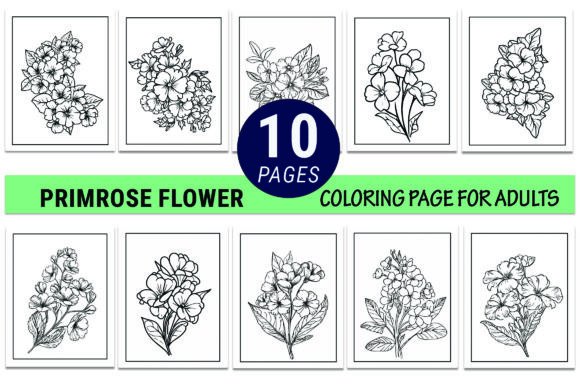
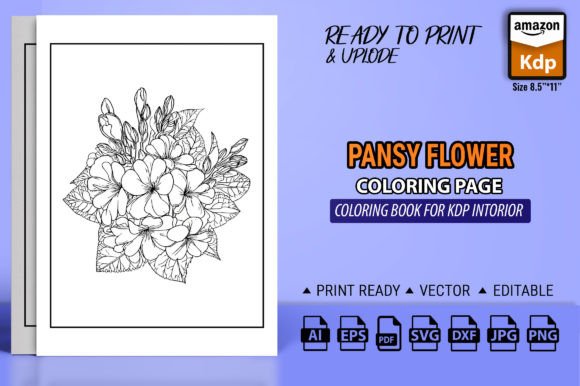
The first impression of the Primrose Drawing Vector Illustrations is one of soft, botanical charm. The illustrations have a clean, open-line quality that feels both classic and adaptable. The mood is gentle and welcoming—perfect for projects that aim for a handmade, personal touch rather than a bold, graphic statement. This isn’t a dense, complex floral; it’s a drawing with a light personality. For embroidery, that means it naturally belongs to projects where detail is appreciated but not overwhelming: think custom gifts, boutique home decor, and apparel that needs a touch of elegance.
I’m picturing it right now on a linen apron for a gardener’s gift or a cotton pillow cover in a nursery. The layout, with its individual flower illustrations, suggests it could be used as a singular motif or a scattered pattern. The detail level is inviting: the lines are clear enough to guide stitch paths, but open enough to allow for creative interpretation with thread colors and stitch types.
Where This Design Shines in Real Projects
Let’s walk through a real scenario. Imagine you’re preparing a batch of custom embroidered tote bags for a spring craft fair. You want a design that is recognizably beautiful, quick to stitch for production, and has a high perceived value. The Primrose Drawing Vector Illustrations fit this role well.
On a canvas tote, a single primrose motif, stitched perhaps in a soft pink satin stitch for the petals and a green running stitch for the stems, would look delicate and professional. Because the source is a vector illustration, the scaling is clean, allowing you to adjust the size for the bag’s panel without losing clarity. This scalability makes it a strong candidate for a range of embroidery projects:
- Custom apparel like sweatshirts and t-shirts, where a smaller version on the chest or a larger one on the back could work.
- Home goods such as tea towels, blanket corners, or pillow covers, adding a touch of handmade artistry.
- Personalized gifts for weddings, baby announcements, or holidays, where the floral theme is universally appealing.
- Small business merchandise for Etsy listings or craft fair products, where visual appeal directly impacts buyer engagement.
- As a digital design asset for creating printable mockups or previews for your clients.
The key here is the design’s visual appeal translates into stitching clarity. For the maker, clean lines mean easier digitizing or manual tracing. For the customer, a clean, recognizable flower on a finished product builds trust in your craftsmanship and enhances the product’s giftability.
Practical Considerations for Stitching Success
However, no design is perfect for every situation. The open, illustrative nature of the Primrose Drawing Vector Illustrations means you need to be thoughtful about its application. My practical advice is to consider where it should be used carefully.
On very small hoop sizes, the finer details might become too tight, risking a crowded look if stitch density is high. On textured fabrics like heavy wool or looped towels, the delicate lines could get lost. Similarly, on stretchy fabric or dark fabric backgrounds, you’ll need to plan your thread color contrast and stabilizer use meticulously to keep the primrose shape crisp.
Curved surfaces like caps present a challenge for any design with longer lines; you might need to break this illustration into smaller segments. Also, if you’re considering it for products that need frequent washing, like baby clothes or kitchen towels, ensure your stitch choices are durable and the design placement avoids high-stress areas.
Boosting Your Product’s Professionalism
Using a well-defined vector illustration like this can significantly lift the professionalism of your handmade presentation. It provides a coherent, artistic base that ensures brand consistency if you use it across multiple products. For example, a boutique using this primrose theme on aprons, totes, and patches creates a recognizable aesthetic.
From a commercial embroidery standpoint, whether for client projects or your own shop, the design offers flexibility. It could be adapted into an applique design, using fabric for the petals, or kept as a pure stitch-based illustration. This versatility adds value. It’s important to note that the product description places it in categories like Coloring Pages and Graphics. This means, as an embroidery designer, you’re adapting this asset. Always confirm the licensing terms for the file before selling finished items or commercial embroidery projects to ensure your use is permitted.
Designer Notes Before You Hoop the Fabric
Before you commit this design to a client’s order or a batch of products, here are my recommended steps:
- Always test the design on scrap fabric first. Stitch a sample to see how the lines translate, especially the smaller interior details.
- Check thread color contrast against your final fabric. Run a black and white mockup to see if the shape holds its form without color.
- Review stitch density in your digitizing software if you’re converting it to a machine embroidery file. The open areas should not be overfilled.
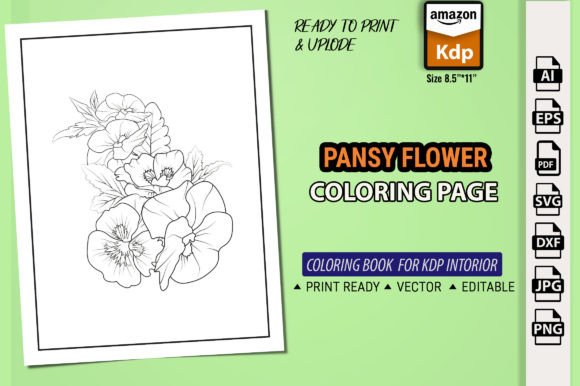
- Confirm the hoop size needed for your chosen motif size. The original 8.5x11 inch format gives you room to scale, but ensure your machine can handle the scaled dimensions.
- Inspect small details like the flower centers; decide if they will be a fill stitch or a simpler running stitch based on your production time.
- Compare how it looks on both light and dark fabric backgrounds. You might need different color palettes for each.
- Use proper stabilizer for the fabric type to maintain the design’s shape during and after stitching.
- Finally, ask yourself: does this design feel right for the product’s purpose? A primrose on a baby’s blanket feels gentle; on a garden apron, it feels thematic. That fit is what turns a good embroidery file into a great finished product.
In essence, Primrose Drawing Vector Illustrations offers a foundation of botanical beauty that is ripe for embroidery adaptation. Its strength is its clean, scalable simplicity, which allows you, the maker, to impose your skill and vision upon it. By approaching it with these practical considerations, you can transform this digital graphic into embroidery that feels confident, valued, and perfectly suited to your project.