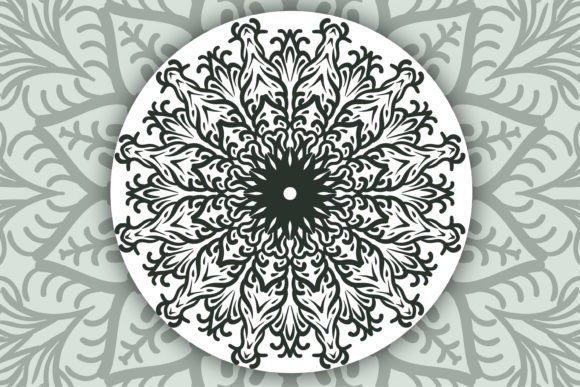
A Vintage Mandala for Modern Embroidery Projects
When a new design file lands in my library, I look at it not just as a graphic, but as a future finished product. I imagine the thread, the fabric, and the person who will eventually receive it. So, when evaluating Vintage Mandala Design and Art, my first question is practical: what kind of real-life project does this naturally belong to?
The Quiet Confidence of a Vintage Mandala
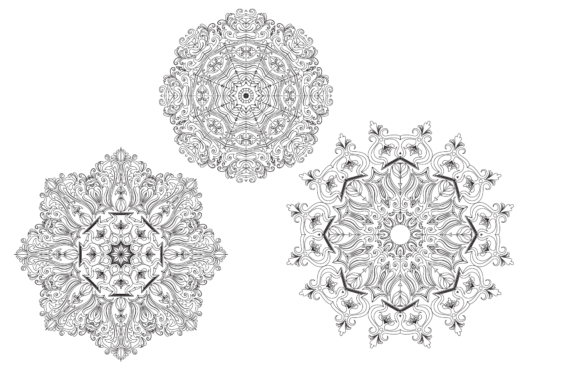
This design doesn’t shout; it has a quiet, confident presence. The vintage aesthetic suggests a sense of history and craftsmanship, which aligns beautifully with the handmade nature of embroidery. The circular, mandala layout creates a natural focal point—perfect for the center of a tote bag, the breast of a cap, or the front of a pillow cover. The level of detail feels balanced; it’s intricate enough to look premium and carefully made, but not so overwhelmingly dense that it becomes a stitching nightmare or a puckered mess on lightweight fabrics.
My immediate thought was a custom embroidered tote bag for a boutique. This mandala, with its artful symmetry, would stitch out as a sophisticated brand logo or a standalone art piece on canvas fabric. It evokes a mood of mindfulness and artistry, which resonates with customers looking for something beyond generic, mass-produced items.
Where This Design Shines in Real Projects
Let’s walk through some specific scenarios. I’m picturing a client order for a personalized wedding gift—perhaps a set of luxurious kitchen towels or a decorative pillow cover for the new home. Vintage Mandala Design and Art would be an exquisite choice. Its timeless theme feels celebratory and enduring, not trendy and fleeting. Stitched in a soft ivory or gold thread on linen, it would elevate a simple towel into a cherished heirloom.
For the small business owner, this design is a versatile commercial embroidery asset. Imagine it on the left chest of a high-quality sweatshirt for your Etsy shop. It offers strong visual appeal without being gender-specific or age-limited, broadening your potential customer base. As an embroidered patch, it could be applied to aprons, bags, or jackets, offering flexibility in your product line. The design’s completeness means it can stand alone, reducing the need for additional lettering or elements to fill space, which speeds up production and maintains brand consistency across different items.
For baby embroidery or nursery decor, a softer application comes to mind. Stitched in pastel threads onto a blanket or the back of a baby romper, the mandala’s intricate patterns can symbolize protection and wholeness, making it a deeply personal gift. However, its success here hinges entirely on simplifying the stitch density for comfort on delicate, stretchy fabrics.
Practical Considerations for Stitching Success
This is where a designer’s experience really matters. The beauty of a graphic on screen is different from its reality in thread.
Fabric and Placement Choices
The vintage, often line-based nature of this design suggests it would excel on stable, smooth fabrics where stitch clarity is paramount. Think cotton twill for caps, sturdy canvas for tote bags, or medium-weight cotton for sweatshirts. On highly textured fabrics like some boucle sweaters or on dark fabrics where contrast management is key, you’d need to be meticulous with your thread colors and stabilizer choice to ensure the details don’t get lost.
Small, curved surfaces like the crown of a cap can be tricky. The mandala’s circular form is a good fit geometrically, but the stitch density in its potentially detailed corners must be checked. If the file has very small, closed elements, they might fill in with satin stitch and become bulky on a curved surface.
Designer Notes Before You Hoop
Always, always test the design on scrap fabric first. Use the same fabric and stabilizer you intend for the final project. This is non-negotiable. For Vintage Mandala Design and Art, pay particular attention to:
- Thread Color Contrast: Run a test in both light and dark versions. Does the detail hold up on a black hoodie? Does it feel too stark on a white baby blanket?
- Small Detail Integrity: Inspect the smallest lines or fills. Will they translate into clean running stitches or become a blur of fill stitch?
- Hoop Size Requirement: While the product description doesn’t specify exact hoop sizes, the design’s scope suggests a medium hoop might be ideal. Confirm this by checking the actual embroidery file dimensions before starting.
- Product Care: For items like apparel or kitchen towels that need frequent washing, a design with very dense stitching can wear differently. A balanced density, which this mandala appears to have, tends to endure better.
Turning a Digital File into Customer Trust
Ultimately, our job is to transform a digital embroidery file into a physical product that builds customer trust. A well-executed version of this mandala does exactly that. It communicates care and skill. On a custom apparel item, it increases the perceived value. For a personalized gift, it enhances the giftability and emotional impact. In your craft business, it contributes to a professional, curated presentation in your Etsy listings or craft fair booth.
Remember, the category listed as Coloring Pages Amp Graphics hints at its origin, but in embroidery, we are reprocessing it into a tactile art form. That means our standards are different. We are judged by the crispness of the satin stitch, the smoothness of the fill, and the overall finish.
A Final, Friendly Reality Check
I love designs like this because they have a clear, strong personality that guides their use. Vintage Mandala Design and Art isn’t for every project. It wouldn’t be my first pick for a tiny logo on a polo shirt collar or for a quick stitch onto a stretchy, thin t-shirt. But for that mid-sized, statement piece on a stable fabric—the boutique tote, the anniversary pillow, the artisan-style apron—it has the potential to be a standout. It makes your finished product feel considered and complete.
Before you commit to a large run of small shop merchandise, do your practical homework. Check the licensing for commercial embroidery use if you plan to sell the physical products. Create printable mockups to visualize it on different items. And trust your own eye: if the design feels right for your brand and your customer, it will stitch out into a project you, and they, will be proud of.